|
|
|
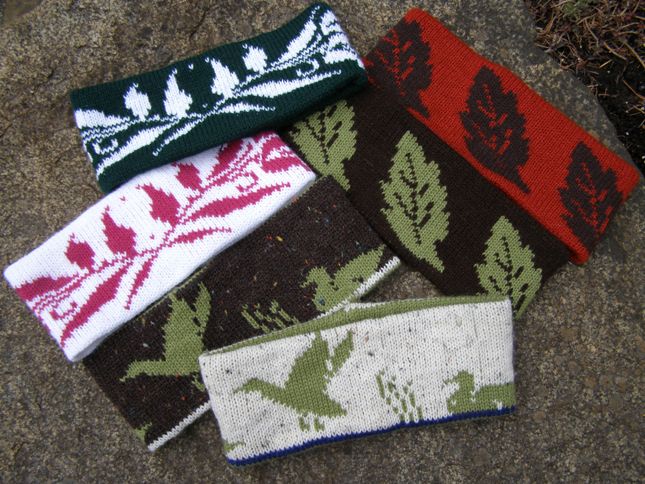 |
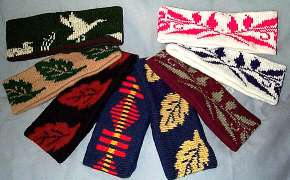
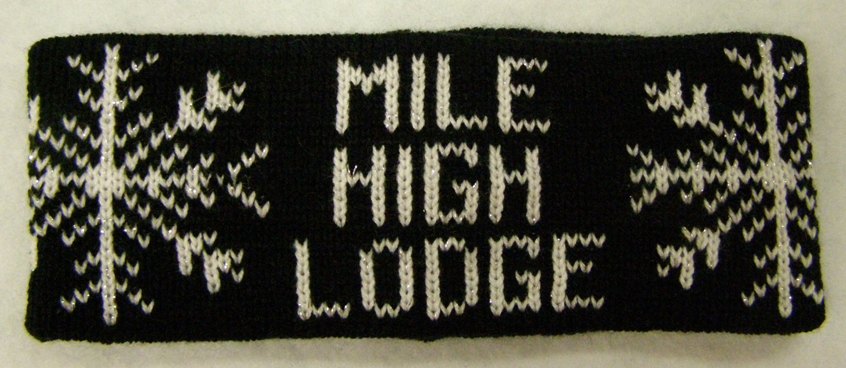
| Machine | Any standard 4.5 machine (Knit on a Studio/Silver Reed 580 electronic). No ribber needed. Garter Bar useful, but not necessary. |
| Size | Three sizes are given to fit small, medium and large. Medium is 20 inches wide and 3 3/4 inches deep before ends are sewn together, when knitted in 4 ply acrylic at tension 8. Medium size fits head size 21 to 22 inches which is an average size head for adults and most children over 10 year old. |
| Materials | Any suitable 4 ply yarn. Originally made in Newry 2/16 high bulk acrylic by Spinrite used double (I know it's out of date but you might have some hanging around). 4 ply yarn isn't as good for pattern definition as two strands of 2/16, also 2/16 knits up a little thicker. Takes approx. 2 to 3 ozs. If you're not sure, knit one quickly and adapt as needed. |
| Tension | 28 sts and 34 rows to 10 cm (4 inches) approx., at Tension 8 measured over stocking stitch overstocking stitch using 4 ply acrylic. Tension is not too critical as will stretch. |
| Notes | Keep in mind that 24 rows of pattern is just a suggestion. This makes a well-balanced headband but if your pattern is 26 or 30 rows, adjust accordingly. Also the yarn you use, it colour and the stitch pattern you choose will all make a difference to the final size, which is why quickly knitting one is a good idea. |
Using waste yarn, cast on 132 sts, 54-0-78 on punchcard machines and (66-0-66) on electronic machines with N1 to centre at T8. Knit a few rows with carriage ending at R. Do one row with ravel cord at T10. RC000. Knit as follows:
| Knit | Tension | Notes |
| 16 rows | T8 | back of headband |
| 1 row | T10 (turning row) | RC000 |
| 4 rows | T8 | |
| 24 rows | T8 | use for a pattern of your choice |
| 4 rows | T8 | 32 rows total on the front of headband |
| 1 row | T10 (turning row) | RC000 |
| 16 rows | T8 | back of headband |
Turn work with a garter bar so right side is facing you (or take off on waste yarn and put back on machine with right side of work facing). Put work behind latches. (At this point it's a good idea to have six claw weights on hand to place on work after you pick up sts, as this stops them popping off the needles.) Pick up stitches from first row and put on needles (in the mouth of the needles). Once you have picked up all the stitches, to eliminate bulk, bring stitches behind latches over stitches in mouth of needles. Remove ravel cord (you'll probably have to unpick a stitch or two of the ravel cord at one end). Latch off loosely and remove from the machine. Turn right side out and sew the ends together (I sew them together with the sewing machine as much as possible leaving just a bit undone at the back that I mattress stitch by hand). You can of course sew them by hand.
OTHER SIZES:-
Small - Cast on 120 sts (everything else is the same)
Large - Cast on 146 sts (everything else is the same)
This pattern was first published in The Carriage Trade, Issue #42, March 1992 and revised and republished in Machine Knitting Monthly, March 2016
| Copyright©rvk march 1992 |